How to Clean Custom Printed Tent Fabric Without Fading
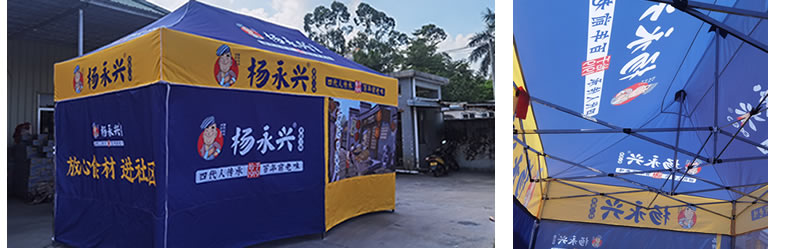
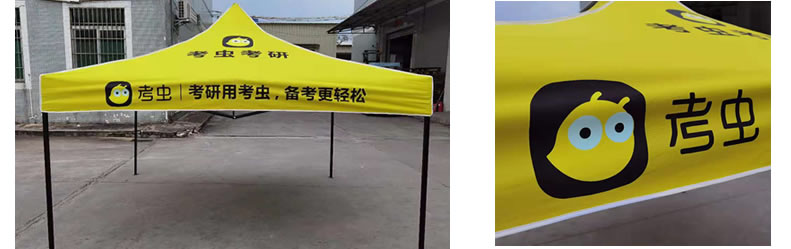
Custom printed tents are powerful branding tools for events, trade shows, and outdoor promotions. Their vibrant logos and graphics make your business stand out—but only if the colors stay bright and sharp. Over time, dirt, dust, and environmental grime can dull your tent’s appearance. However, improper cleaning is the leading cause of premature fading, ink cracking, and damage to printed tent fabric.
This guide will walk you through the safest, most effective methods to clean your custom printed tent while protecting its printed design. Follow these steps to keep your branded tent looking professional and extend its lifespan for years.
Understanding Printed Tent Fabric
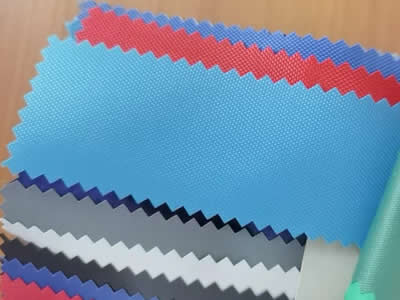
Most custom event tents use high-density polyester canvas (typically 300D–600D) with dye-sublimation, UV-cured ink, or solvent-based printing. These methods create durable, weather-resistant prints, but the ink layer remains vulnerable to:
- Harsh chemicals (bleach, ammonia, strong detergents)
- High water temperatures
- Aggressive scrubbing or abrasive brushes
- Extended exposure to UV rays (even during drying)
- Residual soap buildup that breaks down ink bonds
Preserving your print starts with using gentle products, cool water, and minimal friction—never treat a printed tent like regular outdoor gear.
Pre-Cleaning Preparation: Gather Supplies
Before you begin, assemble the right tools to avoid damaging the fabric or print.
- Soft cleaning tools: Microfiber cloths, soft-bristle sponges, or gentle upholstery brushes (avoid stiff bristles or scouring pads)
- Cleaning solution: Mild, pH-neutral soap (Dawn dish soap, Woolite, or specialty tent cleaners like Nikwax Tech-Wash)
- Cold/lukewarm water (max 30°C/86°F—hot water opens fibers and releases ink)
- Large bucket, garden hose (low-pressure setting)
- Clean, dry microfiber towels for drying
- Tarps or clean ground sheet (to lay fabric flat)
- Optional: Soft vacuum with upholstery attachment (for loose debris)
Critical Test: Always test your cleaning solution on a small, hidden area (inside a corner or seam) first. Wait 10–15 minutes—if no fading, discoloration, or ink transfer occurs, proceed safely.
Step-by-Step Guide to Cleaning Printed Tent Fabric
1. Remove Fabric & Clear Loose Debris
- Take the printed canopy off the frame carefully—avoid pulling or stretching printed areas.
- Lay the fabric flat on a clean tarp in a shaded, well-ventilated space (never in direct sun).
- Gently brush off dry dirt, leaves, and dust with a soft brush or vacuum (low suction). Shake the fabric thoroughly to remove loose particles.
2. Spot-Clean Stains First (Important!)
Treat stubborn spots (food, drink, mud, bird droppings) before full cleaning:
- Apply a tiny amount of mild soap solution directly to the stain.
- Let it sit for 3–5 minutes to loosen grime (do not scrub).
- Blot gently with a damp microfiber cloth—never rub or scrub printed areas (wet ink is fragile and can lift off).
- For mold/mildew (common in damp storage): Mix 1 part white vinegar with 3 parts water (safe for most prints). Blot lightly, rinse, and dry immediately.
3. Hand-Wash the Entire Canopy Gently
Never machine-wash or dry-clean printed tent fabric—tumbling, agitation, and harsh solvents destroy prints.
- Fill a large bucket with cool/lukewarm water and add 1–2 teaspoons of mild soap per gallon (weak solution is key).
- Dip your soft sponge/cloth in the solution, wring out excess water (fabric should be damp, not soaking).
- Wipe the tent surface in smooth, gentle strokes, following the fabric grain. Focus on high-contact areas (edges, seams, lower sections).
- Avoid scrubbing logos or graphics—light, even wiping is sufficient.
4. Thoroughly Rinse Away All Soap Residue
Leftover soap is a top cause of fading and fabric degradation—it breaks down ink bonds over time.
- Rinse with a low-pressure garden hose (no power washers—high pressure blasts ink off).
- Flush both sides of the fabric until water runs clear with no suds.
- Pay extra attention to seams and hems where soap can hide.
5. Dry Properly to Prevent Fading & Mildew
Drying is as critical as cleaning for print preservation:
- Stand the fabric upright or lay flat in full shade—UV rays from direct sunlight cause rapid fading.
- Pat excess water with dry microfiber towels (do not rub).
- Allow complete air drying (6–24 hours, depending on humidity). Ensure fabric is 100% dry before folding or storing—moisture causes mildew that stains and weakens prints.
- Never use a dryer, heater, or direct heat—heat melts/cracks printed ink.
Cleaning Do’s and Don’ts for Printed Tents
Do ✅
- Clean regularly (every 2–3 events) to prevent deep-set dirt
- Use only cool/lukewarm water and mild, phosphate-free soap
- Test cleaners on hidden areas first
- Air dry fully in shade
- Store clean, dry fabric in a cool, dark, breathable bag
Don’t ❌
- Use bleach, ammonia, fabric softener, or harsh detergents
- Scrub, brush, or rub printed graphics aggressively
- Use pressure washers or high-velocity sprayers
- Machine wash, tumble dry, or dry-clean
- Dry in direct sunlight or near heat sources
- Fold or store wet fabric (causes mildew and print damage)
Long-Term Care to Prevent Fading
Beyond cleaning, these habits keep prints bright longer:
- Limit UV exposure: When not in use, take down tents or use UV-protective covers—sunlight is the biggest cause of print fading.
- Immediate stain treatment: Blot spills right away to avoid permanent setting.
- Avoid harsh environments: Keep tents away from chemicals, gasoline, pool chlorine, and saltwater.
- Proper storage: Fold gently (avoid creasing logos repeatedly) and store in a dry, climate-controlled area.
Final Thoughts
Your custom printed tent is an investment in your brand’s image. With proper, gentle cleaning and care, you can maintain its vibrant colors and crisp graphics for hundreds of uses. The key is to treat the printed surface with extreme care—prioritize mild products, minimal friction, and shade drying.
By following this guide, you’ll keep your tent looking professional, protect your branding investment, and avoid the cost of premature replacement.
Need a printable tent care checklist for your team? I can create a concise, branded PDF version of these steps for quick reference.