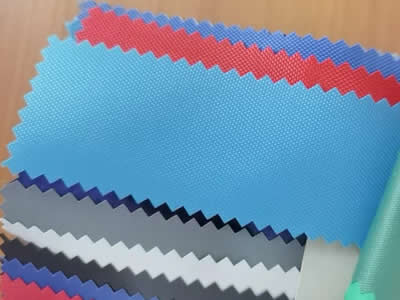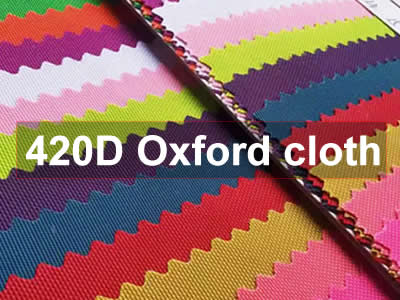
420D Oxford cloth stands as a cornerstone in the textile and manufacturing industries, renowned for its exceptional balance of strength, durability, and affordability. This fabric has become the most commonly choose material for a vast array of products, from everyday carry items to specialized gear. Its designation "420D" refers to the denier count—a unit measuring the thickness and density of the individual threads used in the weave. Specifically, 420 denier indicates a medium-weight yarn that provides substantial resilience without excessive weight, positioning it as a versatile middle ground in the Oxford cloth family.
The classic Oxford weave itself is a distinctive basket-style pattern, typically a 2x1 or 2x2 configuration. This structure is not just for aesthetics; it creates a textured, rugged surface that is highly effective at concealing minor scuffs and dirt. More importantly, the weave interlocks the threads in a way that enhances the fabric's overall tear and abrasion resistance. When combined with the inherent strength of 420 denier synthetic fibers, the result is a fabric that reliably withstands daily wear and tear.
The primary reason for the widespread use of 420D Oxford cloth is its compelling set of characteristics. First and foremost is its impressive durability. Products crafted from this material, such as backpacks, duffel bags, and protective cases, are built to last. The fabric resists punctures, abrasions from rough surfaces, and the general stresses of travel and commuting. This longevity ensures that items made from 420D Oxford cloth offer excellent value over time.
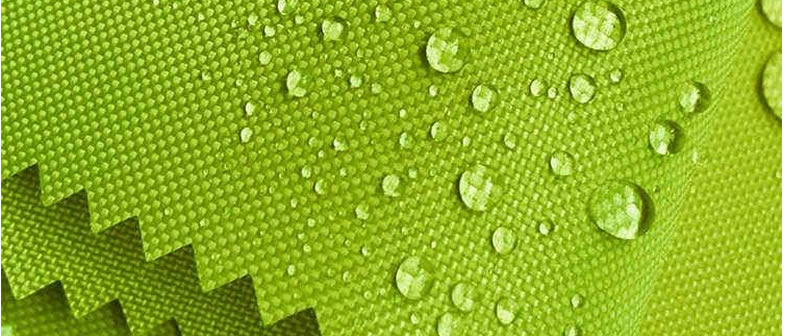
Despite its robustness, 420D Oxford cloth remains relatively lightweight and flexible. This is a critical advantage over heavier canvases or technical fabrics, allowing designers to create products that are sturdy yet not cumbersome. The fabric also boasts notable water-resistant properties. While not fully waterproof without a coating or laminate, the tight Oxford weave naturally repels light rain and spills, providing a good level of protection for contents. Many manufacturers further enhance this trait by applying polyurethane (PU) or polyvinyl chloride (PVC) coatings on the fabric's reverse side, significantly boosting its water resistance and making it suitable for more demanding outdoor use.
The most decisive benefit, however, is its cost-effectiveness. 420D Oxford cloth provides a superior price-to-performance ratio. Manufacturers can source it efficiently, and the fabric is generally easy to cut, sew, and handle during production. This efficiency translates into affordable final products for consumers who do not have to sacrifice quality for price. It delivers about eighty percent of the performance of premium high-denier fabrics at often less than half the cost, making it the quintessential choice for mass-market quality goods.
The application of 420D Oxford cloth is extensive, touching numerous aspects of daily and commercial life. The most recognizable use is in the bag and luggage industry. Countless daypacks, school backpacks, laptop sleeves, and rolling luggage shells are constructed from this fabric. It provides the necessary structure and protection for electronics, books, and personal items while maintaining a professional or casual appearance.
Beyond personal bags, it is a staple in tactical and work gear. Tool bags, protective covers for equipment, and various types of storage containers rely on its ruggedness. The automotive sector uses it for seat covers, trunk organizers, and car covers. In the home, it appears in reusable storage cubes, furniture covers, and even some types of durable outdoor cushions. Its utility is further extended into promotional products like branded tote bags, where durability and printability are key.
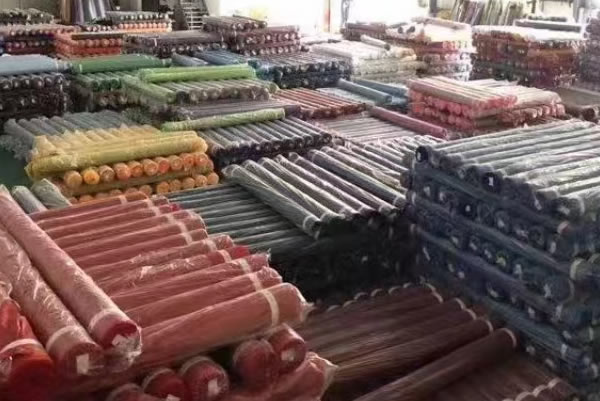
Traditionally, 420D Oxford cloth is woven from nylon filaments, which contribute high tensile strength and excellent abrasion resistance. Nylon-based Oxford cloth has a characteristically smooth feel and a subtle sheen. In recent years, polyester-based 420D Oxford cloth has gained substantial market share. Polyester versions offer exceptional color retention, high resistance to UV degradation, and often a more matte finish. They are also generally more resistant to moisture absorption, which can prevent mildew and fabric weakening in humid environments.
The performance of the base weave is frequently augmented with treatments and coatings. As mentioned, PU coatings are common for water resistance. Some fabrics receive a calendaring process, which heats and presses the cloth to create an even tighter weave for enhanced wind and water resistance. For specialized needs, 420D Oxford cloth can be laminated to other materials or manufactured with flame-retardant or anti-static properties.
In a market filled with advanced technical textiles, 420D Oxford cloth maintains its dominance through proven reliability and unmatched economic value. It represents a "sweet spot" that both manufacturers and consumers trust. For brands, it minimizes production complications and material costs. For end-users, it delivers dependable performance for everyday tasks, travel, and light outdoor activities without demanding a premium investment.
Its adaptability ensures its relevance. Through variations in fiber type, coating, and finish, 420D Oxford cloth can be tailored to meet specific needs while retaining its core identity as a strong, affordable, and readily available material. Whether in its classic form or a modern polyester iteration, it continues to be the default fabric for anyone seeking a combination of durability and value.
In conclusion, 420D Oxford cloth is far more than just a common textile; it is an engineering and economic success story in the fabric world. Its balanced properties of strength, weight, water resistance, and cost solidify its position as the most practical and widely used choice for durable goods. When you purchase a bag, piece of luggage, or protective cover, there is a high probability you are benefiting from the reliable performance of this essential fabric. The enduring popularity of 420D Oxford cloth is a testament to its ability to meet fundamental needs effectively and affordably, securing its place as an indispensable material in global manufacturing.